
Exterior Lighting
Light that works outside — weather, corrosion, darkness handled
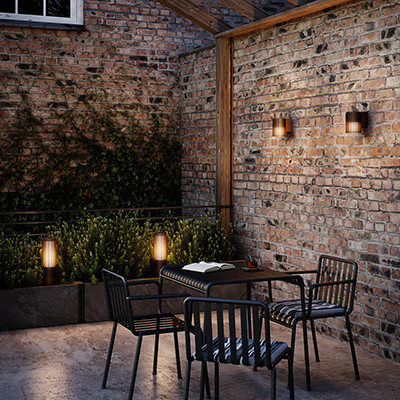
Exterior lighting has to handle rain, frost, UV and salt air. The full range here is built for it, from path bollards to post-top lanterns and floodlights.
Outdoor lighting — what's different
Exterior fittings aren't just interior lights with a hat on. They need to survive weather, resist corrosion, stay bright in ambient darkness, and often double as security. Every category here is built to an appropriate IP (Ingress Protection) rating and material spec for outdoor use.
IP ratings for outdoor fittings — the minimum for any exterior use is IP44 (protected against splashing water). For fittings exposed to direct rain or sited near the ground, IP54 or IP65 is the right choice. Fully submersible pond and deck lights need IP67 or IP68. Every product page lists the exact IP rating.
Corrosion and material — coastal locations are especially tough on standard metalwork. Look for marine-grade stainless steel, powder-coated aluminium or solid brass for fittings that will sit within a mile of the sea. Cheaper pressed-steel fittings rust within a year or two in salt air.
What each type of exterior light does
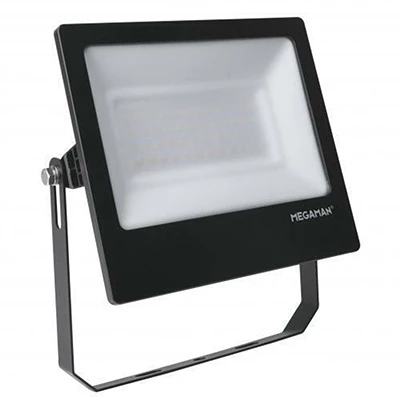
Security and flood — bright, directional, often motion-sensor activated. Wall-mounted floodlights and high-output exterior spotlights cover driveways, back gardens and approach paths.
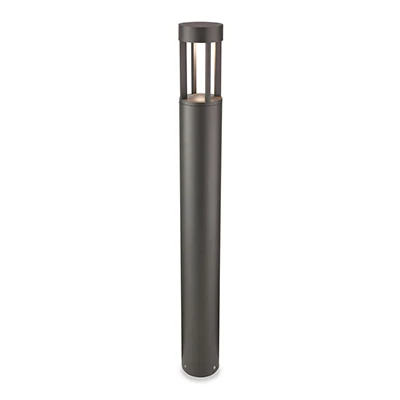
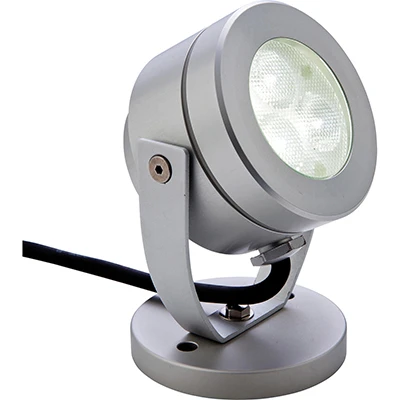
Path and bollard — low-level, even, directing foot traffic and marking edges. Bollards, landscape lights and ground-recessed lights along driveways, paths and garden borders.
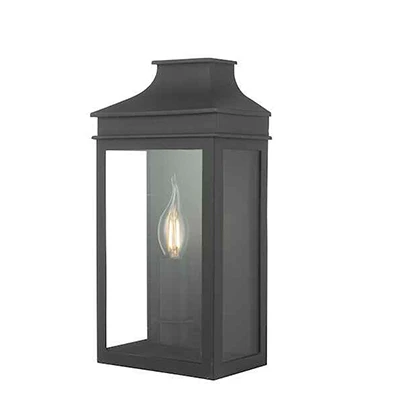
Architectural and facade — wall-mounted fittings that light the building itself. Exterior wall lights either side of doors and garages, or recessed ones tucked into walls and eaves.
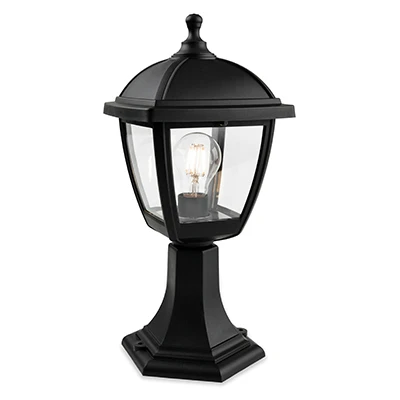
Post-top and lantern — traditional silhouette on a pole, good for driveways and front gardens. See the post-top range.
Hanging exterior — porch pendants and exterior pendants for covered entranceways, verandas and porches.
Exterior ceiling — flush fittings for covered porches, soffits, car ports. See exterior ceiling lights.
Garden and decorative — coastal style, spike spots, step lights and portable garden lanterns. Mood and style rather than function-first.
Hardwired vs plug-in vs solar
Most exterior lights in this range are hardwired, connected to a spur off the domestic circuit. That's the right choice for wall-mounted lights, post tops, soffit lights and anything you want to be reliable year-round. Installation is an electrician job — Part P territory, and the cable has to be buried or armoured where it runs outside.
Plug-in exterior lights (often called festoon or portable garden lights) skip the wiring and run off a weatherproof outdoor socket. Right for temporary, seasonal or rental situations where you can't commit to a hardwired install. See portable lighting.
Solar-powered fittings are the lowest-spec option — fine for very occasional path marking, but they rarely produce enough light for proper security or general use, and winter performance drops substantially.
Motion sensors, dusk-till-dawn and smart control
Motion-activated security lights turn on only when movement is detected, staying dark otherwise — the right choice for back gardens, driveways and side alleys where permanent light would be wasteful. Dusk-till-dawn fittings use a built-in photocell to switch on automatically at nightfall — ideal for front-door lights and post-tops you want reliably on every evening.
For app and voice control, see the exterior smart lighting range — smart bollards and wall lights with scheduling, dimming and voice integration.
Frequently asked questions
What IP rating do I need for outdoor lighting?
IP44 is the minimum for any outdoor use. For fittings exposed to direct rain, under a constantly wet eave or near ground level, IP54 or IP65 is safer. Pond and fully submerged fittings need IP67 or IP68. The product page lists the exact rating.
Do I need an electrician for outdoor lighting?
Yes for any hardwired installation. Outdoor electrical work is notifiable under Part P of building regulations, and outdoor cable runs have to meet specific depth and protection requirements. Plug-in and solar lights are DIY-friendly, but hardwired fittings need a qualified electrician.
Which materials last longest outdoors?
Marine-grade stainless steel, solid brass (which develops a weathered patina but doesn't corrode), and powder-coated die-cast aluminium are the most durable. Avoid pressed steel and untreated iron for anything exposed — they rust fast, especially near the sea.
Are LED exterior lights dimmable?
Some are, but most outdoor lighting is designed for on/off use. If dimming matters — typically for garden mood lighting — look for fittings labelled "dimmable" and pair with a trailing-edge LED dimmer in a weatherproof enclosure. Smart exterior fittings usually include dimming as standard.
What's the difference between a spotlight and a floodlight?
A floodlight throws broad, wide-angle light across a large area — driveways, back gardens, car parks. A spotlight is more directional, aiming a narrower beam at a specific target — signage, statues, architectural features. Choose flood for coverage, spot for emphasis.
Related categories
- Exterior Wall Lights — the most common outdoor fitting
- Exterior Spotlights & Floodlights — security and wide-area coverage
- Post-Top Lights & Bollards — driveways and paths
- Landscape Lighting — garden borders and decorative planting light
- Coastal Lighting — marine-grade for seaside properties
- Exterior Smart Lighting — app and voice-controlled outdoor fittings
- Interior Lighting — everything inside the house
Exterior Wall Light
Bollard
Post Top
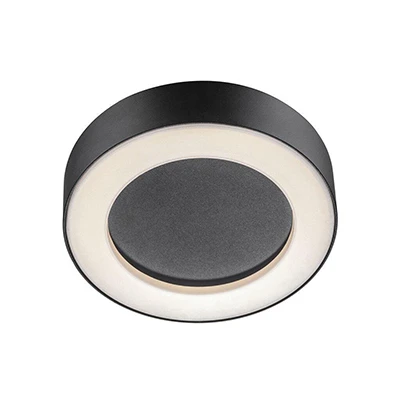
Exterior Ceiling
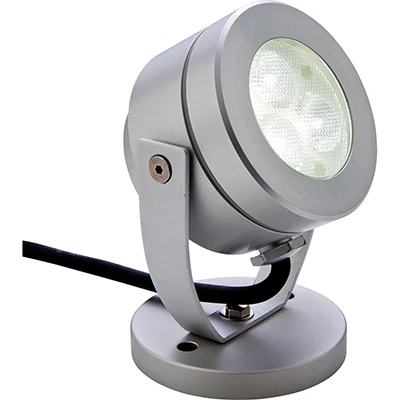
Exterior Spotlight
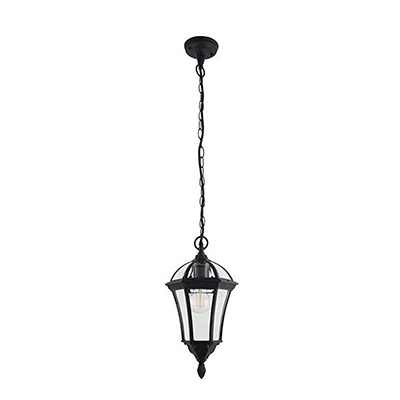
Exterior Pendant
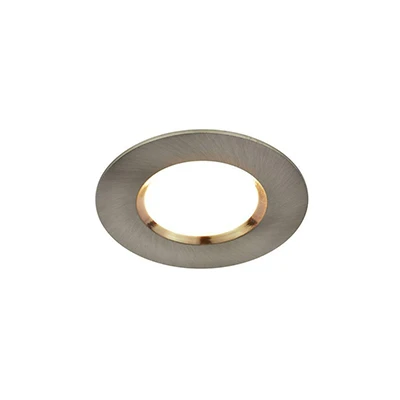
Exterior Recessed
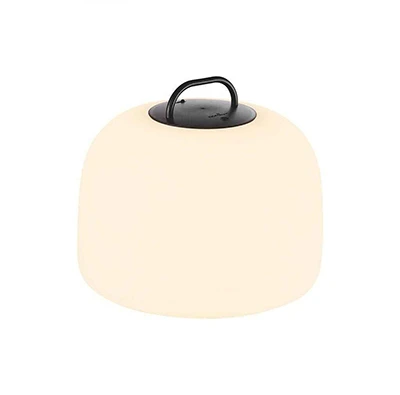
Portable Lighting
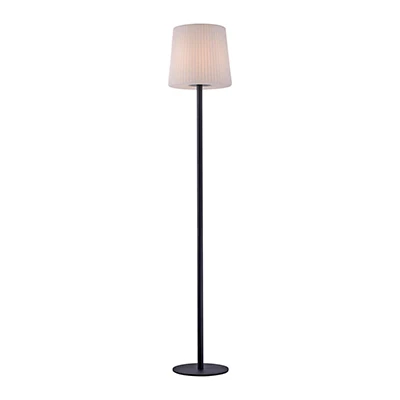
Exterior Floor Lamp
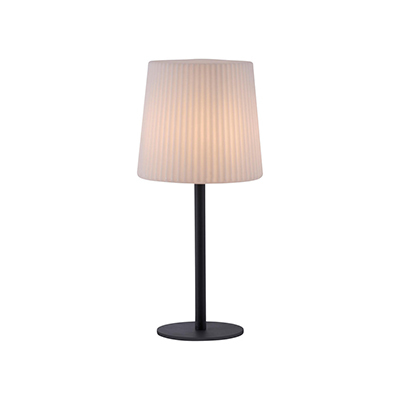
Exterior Table Lamp
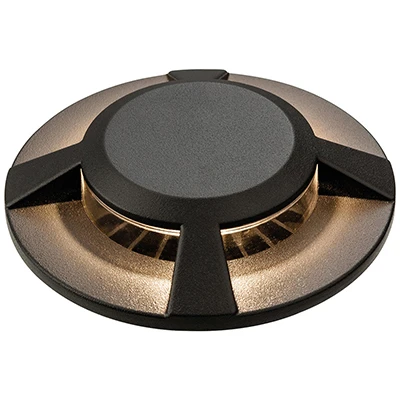
Ground Recessed Light
Floodlight
Landscape Lighting
Coastal Lighting