
Smart Light Bulbs
Smart control without replacing the fitting
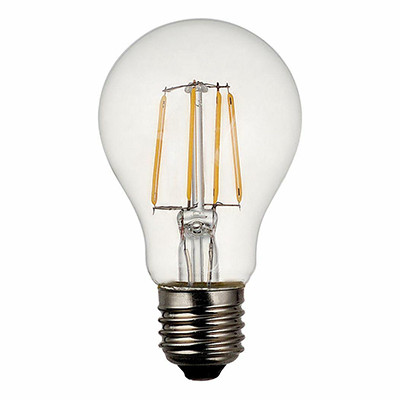
Swap a standard bulb for a smart bulb and any compatible lamp becomes a smart lamp. The simplest, cheapest entry point to smart lighting — no wiring, no electrician, no commitment.
Why smart bulbs are the easiest way in
Smart fittings (fittings with built-in smart electronics) are the cleanest long-term solution. But they require replacing existing fittings, often with an electrician involved, and they commit you to specific models.
Smart bulbs are the opposite: swap the bulb in an existing fitting for a smart version, pair to the app, and you're done. Five minutes, no tools, no wiring. The existing lamp or pendant becomes smart without changing anything visible.
For most people getting into smart lighting, this is the right starting point. Upgrade one or two key rooms first, learn what matters, then decide whether to move to integrated smart fittings in future renovations.
What smart bulbs can do
Dimmable without a wall dimmer — the bulb handles its own dimming electronics, controlled via app or voice. No dimmer switch required in the wall.
Tuneable white or colour change — modern smart bulbs cover warm-to-cool white (tuneable), often with full RGB colour on top. See tuneable white and colour change for the ranges.
App and voice control — pair to the companion app, then optionally link to Alexa, Google Home, Apple HomeKit or Matter for voice control and wider smart-home integration.
Scheduling and automation — on at sunset, off at bedtime, gradual morning wake-up ramps. Set once, the bulb runs itself.
Scene participation — grouped into rooms, dimmed together in scenes, integrated into whole-home routines.
Cap types — match to your fitting
Smart bulbs come in the same cap types as standard bulbs:
E27 (standard screw) — the most common cap. Table lamps, floor lamps, pendants, many ceiling fittings. The widest selection of smart bulbs.
E14 (small screw) — chandeliers, wall lights, some pendant lights, many lamps with smaller shades. Smart E14 range has grown significantly in recent years.
GU10 (spotlight) — recessed downlights and spotlights. Smart GU10 bulbs are widely available; confirm fire-rating compatibility for upstairs recessed use.
B22 (bayonet) — less common on new fittings but still present in many older homes. Smart B22 options are limited; an E27-to-B22 adaptor or a bayonet-specific smart bulb both work.
G9 and G4 (capsule) — used in some smaller wall lights and chandelier arms. Smart G9 options exist but are limited compared to larger caps.
For bulb selection by cap type, see the full bulb range.
Smart bulb vs smart fitting — when to pick which
Pick smart bulbs when — upgrading existing lamps and pendants, renting where you can't change fittings, want the cheapest smart-lighting entry, or want the option to swap between smart and non-smart easily.
Pick smart fittings when — installing new lighting during renovations, want the slim-profile look of integrated LEDs, want the widest tuneable-white range, or want touch/physical controls built into the fitting itself.
Many homes end up with a mix — smart bulbs in existing table lamps and pendants, smart integrated fittings for new installations.
Important: no wall dimmers with smart bulbs
The single most common mistake. Smart bulbs should only be used on plain on/off wall switches — never with a wall dimmer in the circuit. The dimmer interferes with the bulb's smart electronics, causing flicker, colour-shift, failure to dim smoothly, and sometimes complete loss of smart features. If your wall switch is a dimmer, replace it with a plain on/off before installing smart bulbs. All dimming then happens through the app or voice.
Frequently asked questions
What happens if someone turns the wall switch off?
The smart bulb loses power and can't be reached by app or voice until the switch is on again. This is the most common complaint about smart bulbs in shared households — other family members flip switches out of habit. Some smart switches exist that block off-position while still allowing smart dimming, solving this.
Do smart bulbs fit normal lamp shades?
Mostly yes — smart bulbs are slightly larger than standard LEDs (typically 5–10mm longer and 2–5mm wider) to accommodate the electronics. Most shades have enough internal clearance. For very small decorative shades, check the shade's internal dimensions against the smart bulb's physical size before ordering.
Do I need a hub?
Wi-Fi smart bulbs don't need a hub — they connect direct to the home router. Zigbee smart bulbs (Philips Hue and similar) need a compatible hub, though some Alexa Echo models have Zigbee built in and can act as the hub. Matter-compatible bulbs work with any Matter controller.
Will smart bulbs work outdoors?
Only IP-rated smart bulbs, or standard smart bulbs installed inside IP-rated outdoor fittings. Indoor smart bulbs exposed to weather will fail quickly. Confirm the bulb's IP rating on the product page if using outdoors.
Related categories
- Smart Lighting — the full smart range
- Bulbs — non-smart bulbs, all cap types
- Interior Smart Lighting — smart fittings, not bulbs
- Tuneable White — tuneable-white smart bulbs and fittings
- Colour Change — full RGB smart bulbs and fittings