
Smart Lighting
Lights that do what you tell them
App, voice and schedule control across fittings and bulbs. Dim from the sofa, warm up for the evening, or set the whole house to wake with you.
What "smart lighting" actually means
Smart lighting covers three slightly different things, and it's worth knowing which you're buying.
Smart bulbs fit into standard lamp and ceiling fittings (usually E27, E14, GU10 or B22) and contain their own wireless radio. Swap the bulb, pair it to an app or voice assistant, and an ordinary lamp becomes a smart lamp. The easiest entry point. See smart light bulbs.
Smart fittings have the intelligence built into the fitting itself, usually with integrated LEDs. No separate bulb to swap, no compatibility worries. Typically include tuneable white and scheduling out of the box. See the interior smart lighting range.
Smart switches and dimmers replace the wall switch rather than the bulb or fitting, keeping whatever you already have but adding app and schedule control. Good for large installations where replacing every bulb would be expensive.
Ecosystems and what works with what
Most smart lights connect through one of these:
Wi-Fi — the bulb or fitting connects directly to your router. No hub or bridge needed. Easiest setup, but heavier load on the home network if you have many smart lights.
Zigbee / Hub-based — uses a low-power mesh network, needs a compatible hub (Philips Hue Bridge, Amazon Echo with Zigbee, SmartThings). More reliable for large installations, better battery life on sensors, but adds a hub to the setup.
Bluetooth — direct phone-to-bulb control over Bluetooth. Simplest but limited range (must be near the bulb) and no scheduling when you're out.
Matter — the emerging standard that unifies the above. Matter-compatible lights work across Alexa, Google Home, Apple HomeKit and SmartThings without brand lock-in.
Filter by voice assistant: Works with Alexa, Works with Google Home. Or by control type: colour change, tuneable white, remote control, Simply Dim.
Tuneable white, colour and dimming
Tuneable white shifts the colour temperature from warm (2700K) through neutral (3000–4000K) to cool daylight (5000K+). Warmer in the evening, cooler in the morning. The single most useful smart feature for most homes.
Full colour change adds the full RGB spectrum on top of tuneable white. Useful for kids' rooms, entertainment spaces and mood scenes, but overkill for most living rooms and bedrooms.
Smart dimming gives smooth app or voice-controlled brightness across the full range, without needing a dimmable wall switch. Every smart bulb and fitting in this range is dimmable.
Frequently asked questions
Do I need a hub to use smart lights?
Depends on the brand. Wi-Fi smart bulbs connect direct to your router, no hub required. Zigbee bulbs (like Philips Hue) need a compatible hub — a Hue Bridge, an Echo with Zigbee built in, or a SmartThings hub. Product pages list the requirement.
Will smart lights work with Alexa and Google Home?
Most do. Filter by Works with Alexa or Works with Google Home to see only compatible fittings and bulbs. Matter-compatible products work with all major voice assistants.
Can I use smart bulbs with my existing dimmer switch?
No — and this is the most common mistake. Smart bulbs should only be used on normal on/off switches, not dimmers. A dimmer in the circuit will interfere with the bulb's electronics and usually cause flicker or stop the smart features working. Dim through the app or voice instead.
Do smart lights still work if the internet goes down?
Partly. Local controls (wall switches, remotes, and voice commands on a hub) keep working. App control from outside the home stops until the internet is back. Schedules set on a hub continue to run. Wi-Fi-only bulbs lose all smart features when the router is offline.
What's the easiest way to get started?
Pick one room, buy a smart bulb that matches the existing fitting's cap type (E27 or E14 usually), and start with Wi-Fi rather than a hub. Get the hang of the app and voice setup in one room before scaling up. Upgrade to a hub-based system only if you end up with 15+ bulbs or need deeper automation.
Related categories
- Smart Light Bulbs — the easiest way to start
- Interior Smart Lighting — smart fittings, not just bulbs
- Exterior Smart Lighting — app-controlled outdoor fittings
- Smart Lighting Types — shop by control method (Alexa, Google, colour, tuneable)
- Smart Lighting Accessories — hubs, switches, remotes
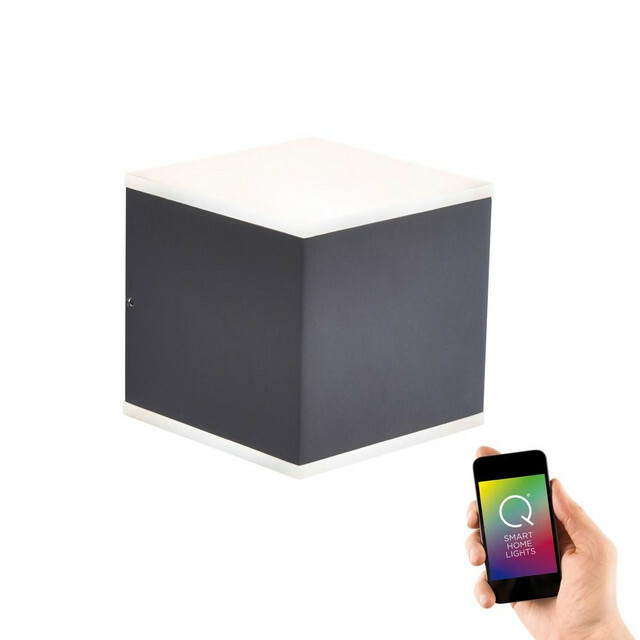
Exterior Smart Lighting
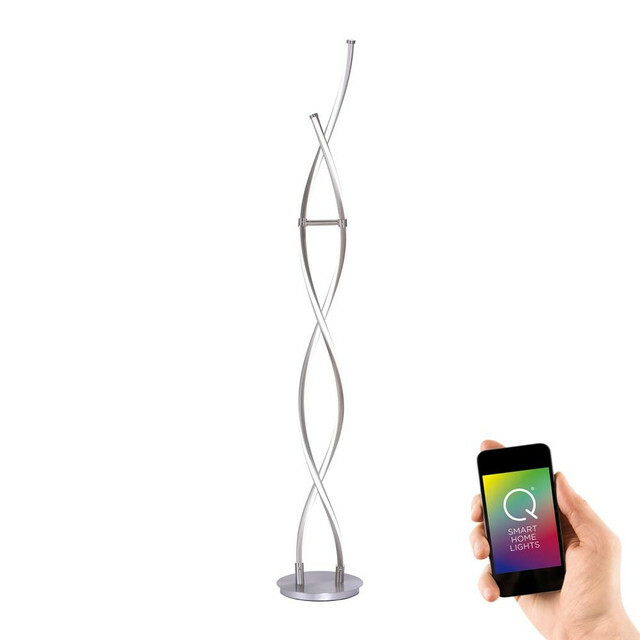
Interior Smart Lighting
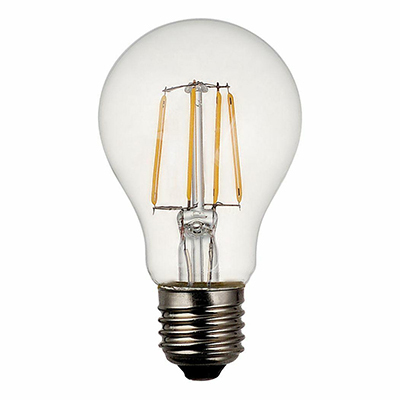
Smart Light Bulbs
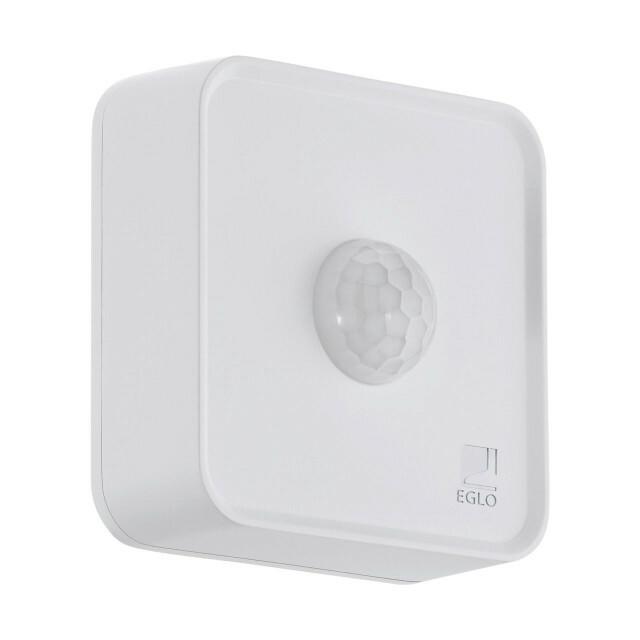
Smart Lighting Accessories

Smart Lighting Types