
Tables and Lamp Stands
Tables designed for lamps
Side tables, pedestals and console tables sized specifically for table lamps. Heights, widths and proportions chosen to display lamps properly rather than general furniture.
Why a lamp table matters
A table lamp on the wrong surface is one of the most common lighting mistakes. The lamp is either too tall or too short relative to the seating, the table is too narrow and the lamp feels precarious, or the proportions fight each other. A purpose-designed lamp table solves this.
Key measurements that matter:
Table height — for a lamp beside a sofa, the table should put the lamp's bottom-of-shade at roughly eye level when you're seated. For a sofa with 45cm seat height, that usually means a table 55–65cm tall (assuming a typical 50–60cm lamp).
Table width — wide enough that the lamp base sits stably and doesn't feel perched. The lamp base should occupy no more than 50–60% of the table surface.
Table shape — round tables suit round lamps; rectangular tables suit rectangular lamp bases. Mismatched shapes can work but usually look less considered.
Table weight and stability — table lamps are top-heavy. A lightweight table can tip if the lamp is knocked. Solid-wood, metal-base and stone-top tables give the stability that thin-legged modern tables don't.
Types of lamp tables in this range
Pedestal lamp stands — tall narrow columns with a small top surface, sized for a single lamp. Classic silhouette for hallways and entrances. Usually 70–90cm tall.
Small side tables — 40–50cm square or round tops at 50–60cm height. The most versatile lamp-table format. Works beside a sofa or armchair, or as a bedside table.
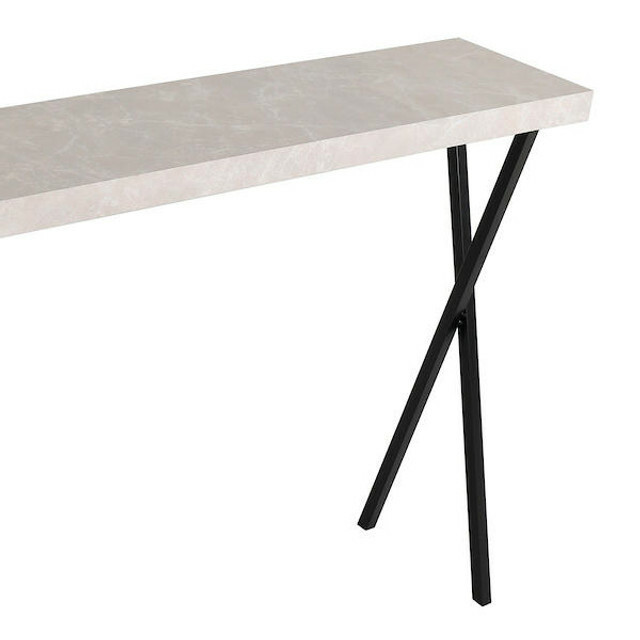
Console tables — longer narrower tables (100–150cm wide, 30–40cm deep) designed to sit against a wall. Suit two lamps spaced symmetrically, or one lamp plus decorative accessories.
Drum tables — round tables with a wider top and usually a base or pedestal rather than legs. Traditional and transitional styling. Suit larger lamps with wider shades.
Nesting tables — stacking sets of 2–3 tables at different heights. One supports a lamp; the others are accent tables for drinks or books.
Matching the lamp to the table
A few combinations that consistently work:
Traditional lamp + drum table — ornate lamp base with a weighted drum table. Both substantial and settled.
Modern lamp + console table — clean-line lamp on a long modern console. Works especially well with pairs of matching lamps.
Statement lamp + pedestal — design-led lamp as focal point on a slim pedestal. The pedestal disappears; the lamp is the feature.
Ceramic/crystal lamp + drum or side table — solid base lamps need stable surfaces, not spindly ones.
Avoid glass-topped tables with large heavy lamps — the lamp base can scratch the glass or sit awkwardly on the polished surface.
Frequently asked questions
What height should a lamp table be beside a sofa?
Aim for total lamp-plus-table height where the lamp's bottom-of-shade sits at eye level when seated. For a typical sofa with 45cm seat height and a 55–60cm lamp, the table should be 55–65cm tall.
Are lamp tables different from regular side tables?
They're a specific subset of side tables — tall enough to put a lamp at the right height, stable enough to hold a top-heavy base, and proportioned for a lamp plus maybe a drink or book. General-purpose side tables can work but usually aren't optimised for lamps.
Can I use a bedside table as a lamp table?
Yes, if the dimensions work. A typical bedside table is 40–55cm tall, which suits smaller bedside lamps. For a lamp beside a sofa, the seating is usually slightly lower than a bed mattress, so a purpose-designed lamp table may work better than a bedside table repurposed.
Related categories
- Table Lamps — lamps to sit on the tables
- Furniture & Homewares — the full furniture range
- Floor Lamps — alternative lamp format that doesn't need a table