
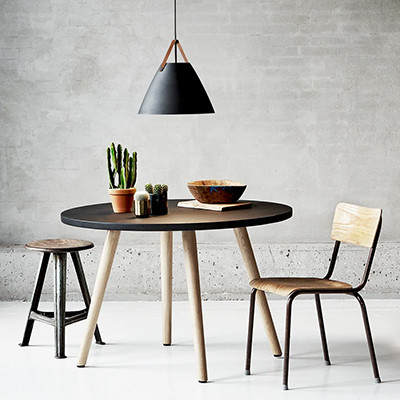
Interior Lighting
Every light that lives indoors, in one place
The whole interior range, organised the way you'd walk through a house. Ceiling, wall, table, floor, pendant, bathroom, spotlight — all the fittings that make a room feel finished.
How interior lighting actually works
A well-lit room rarely comes from a single ceiling light. It comes from layers — three of them, usually:
Ambient light is the general fill that makes the room usable: the ceiling light, a central pendant, or a chandelier. One source, doing the heavy lifting.
Task light is the directional, focused light you need for specific jobs — reading, cooking, shaving, working. Floor lamps beside a reading chair, wall lights either side of a bed, undercabinet strips over a worktop, adjustable desk lamps.
Accent light is the mood and style layer. Soft table lamps, picture lights on artwork, decorative wall fittings that throw shape onto the walls. Not strictly necessary for function — but the reason rooms feel warm and considered rather than just lit.
Every category in this range fits one or more of those three jobs. The most common mistake is relying only on ambient — one bright ceiling fitting trying to do all three layers. The second most common is buying decorative accent lighting without a proper ambient layer underneath. Either way, the room fights you.
Picking by room
Living room: ambient from a central pendant, ceiling light or chandelier; two or three table and floor lamps at seating height for the warm layer; wall lights beside a fireplace or behind a sofa for accent.
Bedroom: softer central fitting, often semi-flush rather than a deep pendant; bedside readers (either table lamps or wall lights) for task; accent pieces on dressing tables or shelves.
Kitchen: bright central ceiling light or a run of downlights for ambient; bar pendants over an island for task; under-cabinet strips for worktops.
Dining room: a single statement pendant or chandelier centred over the table, on a dimmer; wall lights or a sideboard lamp for softer evening light.
Hallway: a series of small ceiling lights, wall lights at eye level, and a table lamp on a console to warm the space.
Bathroom: IP-rated fittings throughout — see the dedicated bathroom range for zones and ratings.
Styles that run across the range
The interior range covers a broad style spectrum: modern, traditional, classic, Scandinavian, rustic, stylish and the full Laura Ashley collection. You can also browse by finish — black, chrome, copper, gold, wood, glass, crystal and fabric — to match the rest of the room's materials.
Mixing styles is fine and often looks better than a matchy-matchy scheme. The rule worth keeping: match your metals within a room (don't mix copper and chrome side-by-side), and let the biggest fitting set the tone everything else supports.
Smart interior lighting
Every fitting in the smart lighting range is app, voice or schedule-controlled — useful if you want tuneable white light (warmer in the evening, cooler for morning routines), colour-changing for mood, or simple automated on/off for security and convenience. See the interior smart lighting sub-range for fittings filtered specifically for indoor use.
Frequently asked questions
Do I need a separate light for every room?
Most rooms benefit from at least two layers — an ambient ceiling source and either task or accent lighting. Bedrooms, living rooms and kitchens almost always work better with three layers. Hallways, utility rooms and bathrooms can often manage with one well-chosen ambient fitting plus a task light where needed.
Should all the lights in a room match?
They should coordinate, not match. Keep metals within a room consistent (all chrome or all brass, not both), keep shade styles in the same family (all fabric or all glass), and let the largest fitting set the visual tone. Identical matching fittings throughout read as a showroom rather than a home.
What's the best colour temperature for the home?
2700K (warm white) is the right default for living rooms, bedrooms and dining spaces — it mimics the warmth of traditional incandescent bulbs. Kitchens, bathrooms and home offices do better at 3000–4000K (cool white) for a cleaner, more functional feel. Tuneable-white smart fittings cover both.
Can I fit interior lighting myself?
Replacing a like-for-like fitting (same position, same weight class) is DIY territory with the power off at the consumer unit. Installing new fittings where there wasn't one before, rewiring circuits, or any work in a bathroom should be done by a qualified electrician and signed off under building regulations.
Related categories
- Ceiling Lights — flush, semi-flush and surface downlights
- Pendant Lights — the ambient-layer workhorse
- Wall Lights — task and accent, either side of beds, mirrors, fireplaces
- Table Lamps & Floor Lamps — the warm layer
- Bathroom Lighting — IP-rated fittings only
- Exterior Lighting — everything outside the house
- Smart Lighting — app and voice control

Pendant
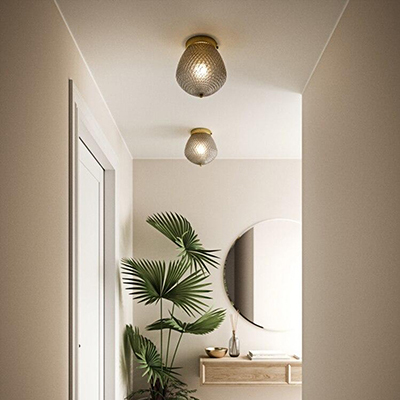
Ceiling
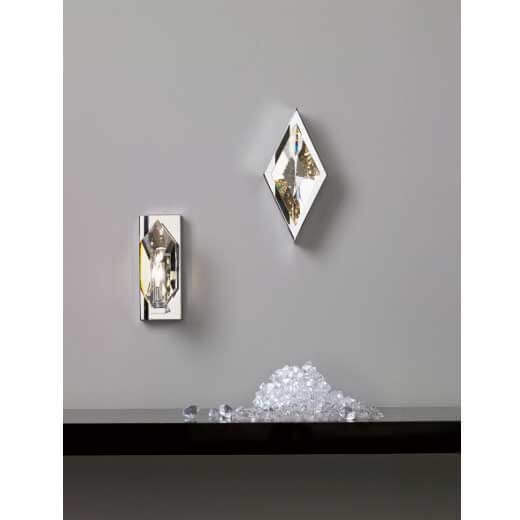
Wall Light
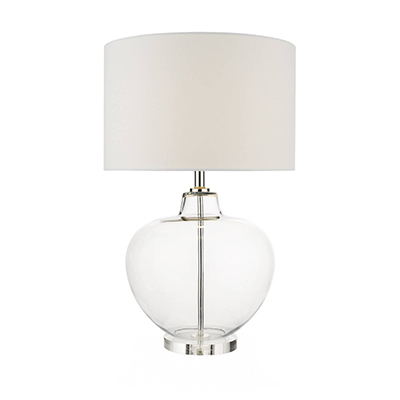
Table Lamp
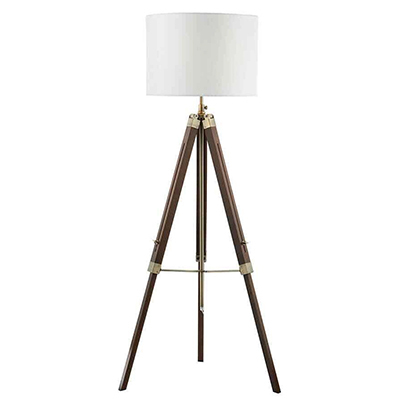
Floor Lamp
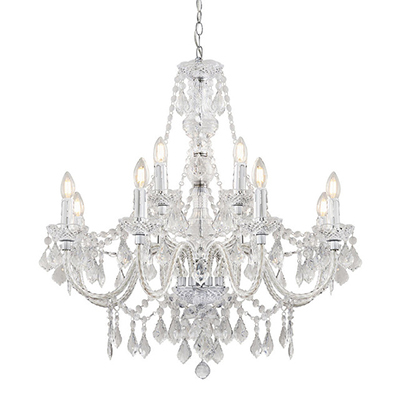
Chandelier
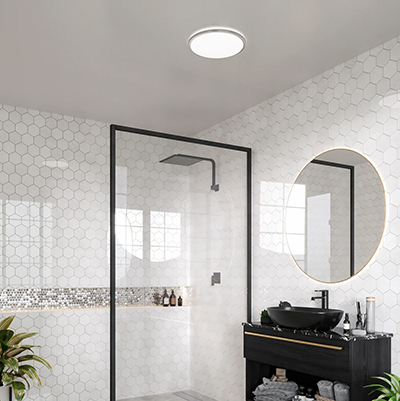
Bathroom
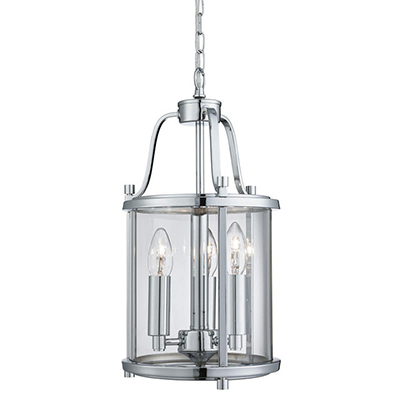
Lantern
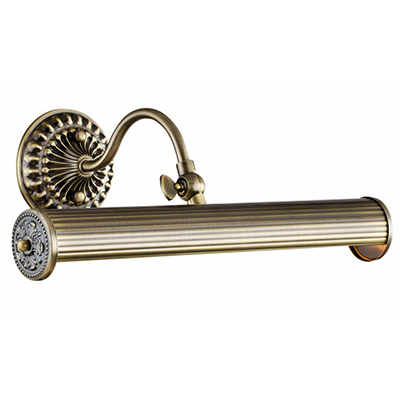
Picture Lights
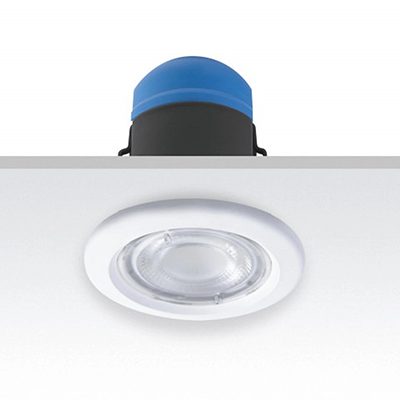
Recessed
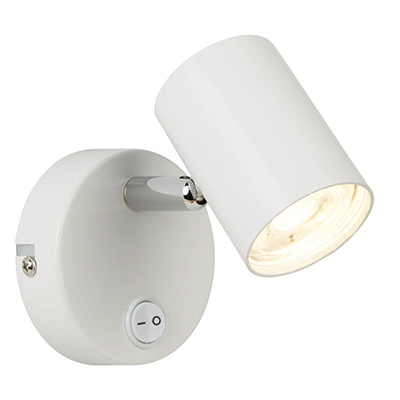
Spotlight

Kids Lighting
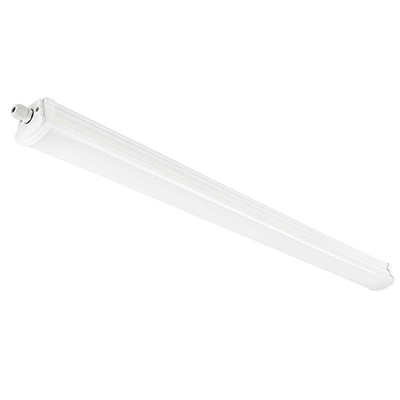
Linear Lighting
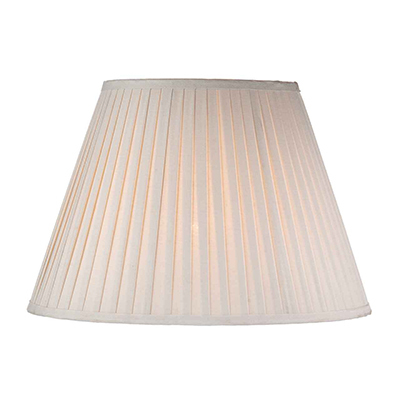
Shade Only
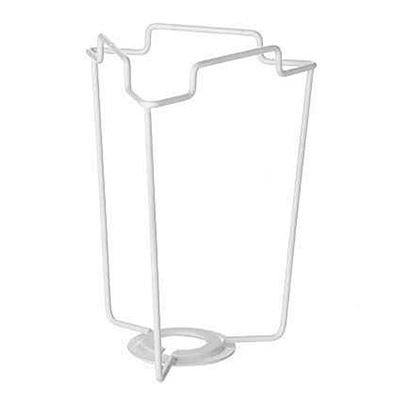
Accessories
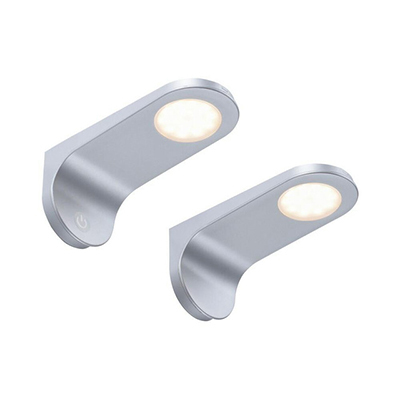
Under Cabinet Lights